
Did you know you can eat healthy without breaking the bank? With a few smart grocery shopping habits, you can fill your cart with nutritious foods that help you eat well, save money and reduce waste.
1. Plan Before You Shop
A thoughtful plan makes healthy choices easier and helps prevent unnecessary spending. Before shopping, check your refrigerator, freezer, and pantry — this helps you build meals around foods you already have, and use ingredients before they expire.
- Write a list. Plan two or three meals before going to the store, then list only the ingredients you need. Sticking to your list can reduce impulse purchases.
- Never shop hungry. Have a small, protein-rich snack before leaving home to help prevent hunger-driven purchases. For example, a small apple with a tablespoon of peanut butter or one of these great ideas for on-the-go.
- Look for overlapping ingredients. Choose recipes that share basic ingredients, such as onions, beans, or chicken. This helps stretch your food further and minimize waste.
2. Navigate Aisles with Ease
Knowing where to look can help you shop more efficiently and stay focused on your goals.
- Shop the outer aisles first. The outer sections of many grocery stores contain fresh foods such as produce, lean meat, seafood, and dairy. Choose seasonal produce when possible, for better price, flavor, and quality.
- Navigate the center aisles carefully. Although these aisles contain processed products, they also hold affordable staples such as beans, canned fish, oats, brown rice, whole-grain pasta, and nut butter. Follow your list and focus on the food you plan to buy.
3. Be Sure to Read Food Labels
Not all packaged foods are unhealthy, but front-of-package claims can be misleading. Terms like natural, organic, and gluten-free do not automatically mean it’s a nutritious choice.
When reviewing labels:
- Read the ingredient list. Look for products made primarily with recognizable, nutrient-dense ingredients.
- Check for added sugar. A practical goal for cereals, snack bars, and similar foods is fewer than 6 grams of added sugar per serving.
- Notice the serving size. Compare the serving listed on the package with the amount you expect to eat or drink.
- Check sodium. Compare similar products and choose lower-sodium options when available, particularly for soups, sauces, and canned foods.
4. Choose Affordable, Nutrient-Rich Staples
Healthy eating does not require expensive specialty products. Many economical foods provide protein, fiber, vitamins, and minerals:
- Beans and lentils are inexpensive sources of protein and fiber.
- Oats, brown rice, potatoes, and whole-grain pasta are filling and versatile.
- Eggs, canned tuna, peanut butter, tofu, and plain yogurt can be budget-friendly protein choices.
- Frozen fruits and vegetables last longer and make it easy to add produce to meals.
5. Build Simple, Balanced Meals
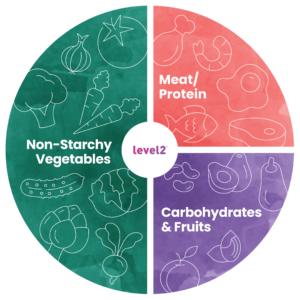
Use the Plate Method as a flexible guide:
| Portion | Food group | Budget-friendly examples |
| Half the plate | Non-starchy vegetables | Broccoli, spinach, cabbage, carrots, or green beans |
| One-quarter | Lean protein | Beans, lentils, eggs, chicken, tuna, or tofu |
| One-quarter | Carbohydrate foods | Brown rice, potatoes, corn, whole-grain pasta, or fruit |
Simple meals like bean-and-vegetable chili, lentil soup, egg fried rice with vegetables, topped baked potatoes, and overnight oats can all be nutritious and affordable.
6. Reduce Waste and Stretch Your Groceries
Food that gets thrown away is money lost. Consider these simple ideas to save:
- Freeze bread, cooked grains, meat, and ripe fruit before they spoil.
- Turn leftovers into lunches, soups, stir-fries, wraps, or casseroles.
- Creating a visible use first section in your refrigerator can help prevent older foods from being forgotten.
Healthy grocery shopping is not about making perfect choices. It is about developing practical habits. Small, consistent decisions can support both your health and your budget.
Sep. 09 2026