Written by Level2 Coach Kathryn (Kate)
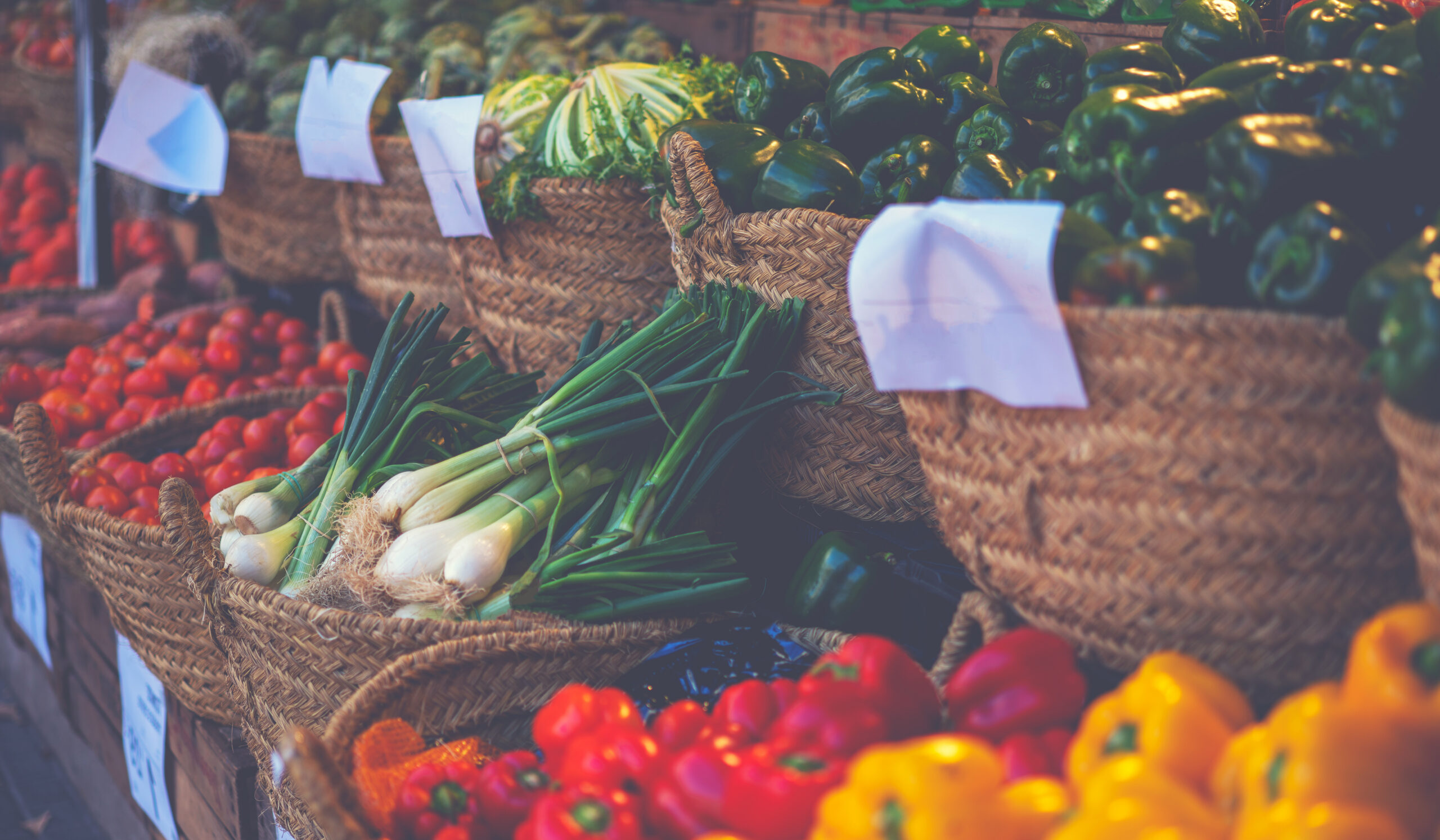
As summer turns into fall, the fruits and vegetables in stores start to change. This is a great opportunity to add variety to your meals and savor foods at their peak flavor.
It’s also a helpful time to notice how different foods affect your continuous glucose monitor (CGM) numbers. Small changes, like pairing foods or watching portions, can help reduce glucose spikes.
Eating with the seasons is a simple way to bring more variety, flavor, and balance to your meals. Small, consistent choices add up. Take each season as an opportunity to explore new foods, build balanced meals, and find what works best for you.
Here’s a simple guide to what’s in season and how to include these foods in a balanced way.
Why eat seasonally?
Choosing seasonal produce has a few benefits:
- Better flavor
- Often more affordable
- Higher freshness and variety
- Supports local farmers when you can shop locally
- Naturally increases plant foods in your diet
Late Summer Produce
Late summer produce is fresh, sweet, and easy to find in most grocery stores.
| Fruits | Vegetables |
| Peaches | Tomatoes |
| Nectarines | Zucchini |
| Grapes | Cucumbers |
| Cantaloupe | Bell peppers |
| Honeydew | Green beans |
| Cherries | Eggplant |
| Blueberries | |
| Plums |
Early Fall Produce
As we move into early fall, you’ll start seeing more hearty vegetables and familiar fall fruits.
| Fruits | Vegetables |
| Apples | Broccoli |
| Pears | Brussels sprouts |
| Grapes | Carrots |
| Plums | Cauliflower |
| Raspberries | Kale |
| Cabbage | |
| Sweet potatoes | |
| Winter squash |
Tips for Staying in Range
Fruit is often enjoyed on its own at this time of year — but eating it solo may raise glucose more quickly. Instead of avoiding them, keep portions to about 1 cup or one small piece. Also, try pairing fruit with protein or healthy fat.
Easy pairings:
- Apple + peanut butter
- Grapes + cheese
- Berries + Greek yogurt
- Fruit + nuts
Seasonal starchy vegetables like sweet potatoes, squash, corn, and potatoes can also be enjoyed, but keep them to about ½ cup cooked. Pairing still helps here too — especially when these foods are part of a larger meal with protein, fat, and fiber.
Simple Ways to Enjoy More Seasonal Produce
- Add raspberries to Greek yogurt or cottage cheese
- Slice apples into salads
- Aim for half your plate to be non-starchy vegetables
- Add seasonal vegetables to eggs or omelets
- Swap part of pasta or grains with extra vegetables
If you’re looking for a personalized approach to your nutrition, our Level2 dietitians are here to help — message your coach to arrange an appointment.
Try These Tasty Summer to Fall Recipes
Peach Yogurt Bowl
Ingredients:
- 1 cup plain Greek yogurt
- 1/2 fresh peach, sliced or diced
- 1 tbsp pistachios or sliced almonds
- Cinnamon
- Drizzle of honey (optional, small amount)
Directions:
Add yogurt to a bowl and top with peaches, nuts, and cinnamon. Mix and enjoy a quick breakfast or snack.
Nutrition (without honey):
~240 calories | 20g protein | 18g carbs | 4g fiber | 1 serving
With honey (1-2 teaspoons):
Add ~20-40 calories and ~6-11 carbs
Tip for staying in range:
Pairing fruit with protein (Greek yogurt) and healthy fat (nuts) can help slow digestion and support steadier glucose.
Roasted Vegetables
Ingredients:
- 1 cup broccoli
- 1 cup zucchini or bell peppers
- 1/2 cup sweet potato cubes
- 1-2 tbsp olive oil
- Salt, pepper, garlic powder (season as you like)
Directions:
- Heat oven to 400°F
- Toss vegetables with oil and seasoning
- Roast 20-30 minutes until tender
Nutrition:
~160 calories | 4g protein | 20g carbs | 5g fiber | 2 servings
Tips for staying in range:
Carbs mainly come from sweet potatoes. Pairing with protein can help reduce the glucose rise.
Jul. 28 2026